
The Precision of 1/64 tsp: Why Microdosing Niacinamide is Trending for Metabolic Health
The paradigm of nutritional supplementation is currently undergoing a radical transformation, moving away from the “more is better” ethos of the late 20th century toward a sophisticated model of metabolic precision. Central to this evolution is the rising popularity of microdosing niacinamide—a specific form of Vitamin B3—in quantities as minuscule as of a teaspoon. This practice represents a profound shift in how professional researchers and natural health enthusiasts perceive cellular energy production, hormonal regulation, and the aging process. While niacinamide has been a staple in the prevention of pellagra for nearly a century, its newfound role as a master regulator of the salvage pathway suggests that the traditional high-dose approach may be physiologically counterproductive.
Historical Context: From Pellagra Prevention to Bioenergetic Optimization
To understand the current trend of microdosing, one must first examine the historical trajectory of Vitamin B3. Originally discovered through the study of pellagra—a devastating disease characterized by the “three Ds”: dermatitis, diarrhea, and dementia—niacin (nicotinic acid) and its amide form, niacinamide (nicotinamide), were identified as the essential factors for human survival. Early research focused primarily on the minimum intake required to prevent deficiency, leading to the establishment of Recommended Dietary Allowances (). However, as the field of molecular biology matured, the role of B3 expanded from a mere nutrient to a fundamental component of the redox cycle, which governs every energetic transaction in the human body.
In the mid-20th century, megadosing became popular, with practitioners using multi-gram doses of niacin to treat high cholesterol and psychiatric disorders. While effective for some, these high doses introduced significant side effects, including the “niacin flush,” liver toxicity, and potential insulin resistance. The recent pivot toward microdosing, particularly in the 25 mg to 50 mg range (the amount contained in to tsp), is informed by a deeper understanding of the salvage pathway and the inhibitory feedback loops that high doses of niacinamide can trigger.
Distinguishing Forms of Vitamin B3
In the professional literature, the terms niacin and niacinamide are often used interchangeably, yet their metabolic pathways and physiological impacts are distinct. This distinction is critical for practitioners focused on metabolic health.
| Feature | Niacinamide (Nicotinamide) | Nicotinic Acid (Niacin) |
| Chemical Structure | Amide form of Vitamin B3 |
Carboxylic acid form of Vitamin B3 |
| Vasodilation |
No “flushing” effect |
Causes intense skin flushing/warmth |
| Lipid Management |
Minimal effect on cholesterol |
Historically used for LDL/HDL balance |
| NAD+ Pathway |
Primary substrate for salvage pathway |
Utilizes the Preiss-Handler pathway |
| Side Effects |
Well-tolerated at micro-levels |
High doses can cause liver stress |
The preference for niacinamide in microdosing contexts arises from its ability to support cellular repair and energy production without the uncomfortable or potentially harmful side effects associated with high-dose nicotinic acid. It is often described as the “safer form” that treats the underlying bioenergetic deficits without the intensity of pharmacological interventions.
The Salvage Pathway: The Body’s Primary Recycling Engine
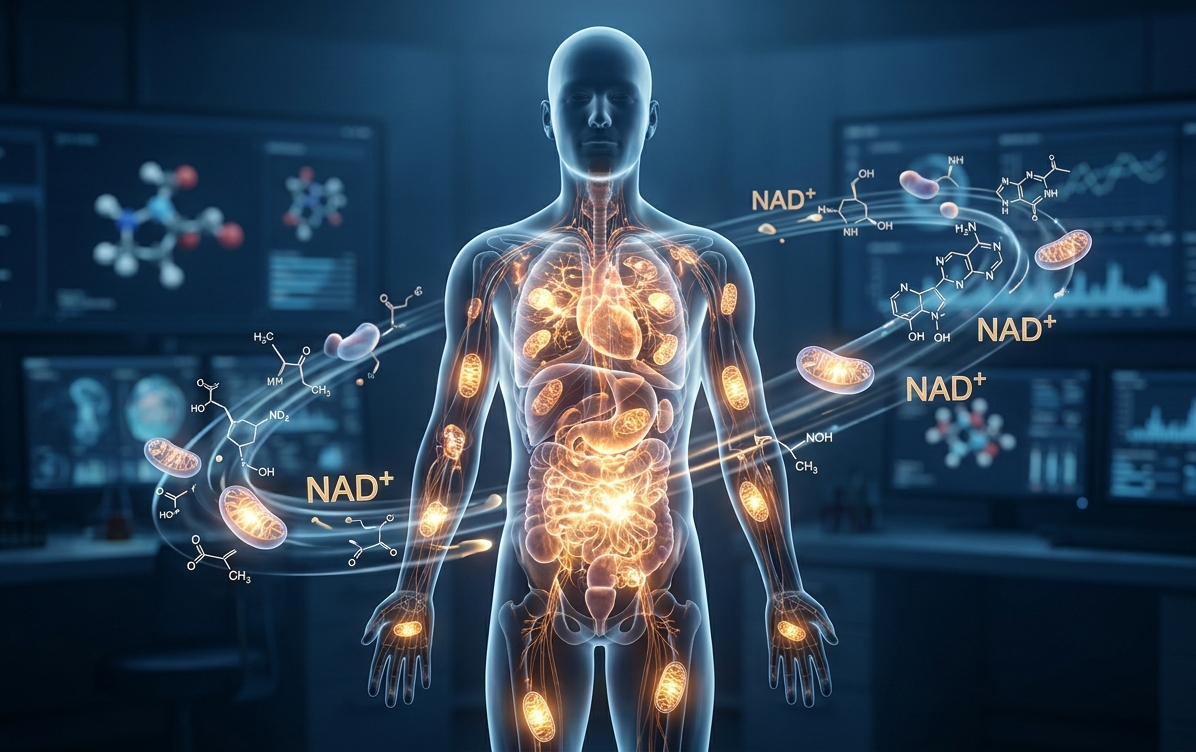
The primary reason why tsp of niacinamide is becoming a cornerstone of metabolic therapy is its role in the salvage pathway. Nicotinamide Adenine Dinucleotide () is a coenzyme essential for ATP production, DNA repair, and the functioning of sirtuins—enzymes that regulate aging and inflammation. Research indicates that as humans age, levels naturally decline, leading to reduced energy, slower recovery, and increased signs of cellular senescence.
While can be synthesized from the amino acid tryptophan via the de novo pathway, this process is highly inefficient; it takes approximately 60 mg of tryptophan to produce just 1 mg of . In contrast, the salvage pathway accounts for approximately 85% of total production in the body. This pathway recycles the niacinamide that is released as a byproduct when -consuming enzymes (like PARPs and sirtuins) perform their functions.
The Role of NAMPT: The Rate-Limiting Step
The efficiency of the salvage pathway is governed by the enzyme nicotinamide phosphoribosyltransferase (), which converts niacinamide into nicotinamide mononucleotide (), the immediate precursor to . is considered a rate-limiting enzyme, meaning that production cannot exceed the capacity of this enzyme to process niacinamide.
Understanding this rate-limiting step is crucial for why microdosing is trending. If an individual takes a massive dose of niacinamide (e.g., 500 mg or more), they may overwhelm the enzyme’s capacity. This leads to an accumulation of unprocessed niacinamide in the blood and tissues, which can actually inhibit the very enzymes—sirtuins—that is meant to activate. By providing a precise microdose of 25 mg ( tsp), the individual offers a steady supply of substrate that the salvage pathway can efficiently process without reaching inhibitory thresholds.
The Sirtuin Threshold: The Danger of Oversaturation
Sirtuins, particularly and , are often called “longevity genes” because they regulate cellular health by turning off genes associated with inflammation and aging. They require as a cofactor to function. However, a significant irony in biochemistry is that niacinamide is a potent inhibitor of sirtuins when present in high concentrations. This is a form of negative feedback; as sirtuins use , they release niacinamide as a byproduct. High levels of this byproduct signal the sirtuin to stop its activity.
This biochemical reality creates a “U-shaped” response curve for niacinamide:
-
Low Dose (Microdosing): Supports production via the salvage pathway, providing sirtuins with the fuel they need without triggering the inhibitory feedback loop.
-
High Dose (Megadosing): Despite potentially increasing , the high concentration of niacinamide itself blocks the sirtuin enzymes from using that , effectively stalling the anti-aging benefits.
This inhibitory threshold is why researchers are moving away from traditional multivitamins that may contain 100 mg to 500 mg of B3 in favor of the self-cleaning secret to longevity found in more targeted, physiological dosing. By keeping the dose at tsp (25 mg), the user ensures that they are supporting the ancient path to cellular autophagy rather than blocking it.
Reductive Stress and Mitochondrial Electron Flow
A critical but often overlooked aspect of metabolic health is the balance between and its reduced form, . In a healthy cell, is the electron “empty taxi,” and is the “full taxi” carrying electrons to the mitochondrial Electron Transport Chain () for ATP production. Problems arise when the cell enters a state of “reductive stress,” where there is an excess of relative to .
When the ratio becomes pathologically skewed, the mitochondria become overloaded with electrons. This can trigger “reverse electron flow,” where electrons move backward through the and leak out, creating superoxide and other reactive oxygen species (). This process leads to mitochondrial swelling, DNA damage, and chronic inflammation.
Restoring the Redox Ratio
Microdosing niacinamide helps restore a healthy ratio. By feeding the salvage pathway in a measured way, the body can increase the availability of to accept electrons, thereby clearing the “logjam” in the mitochondrial chain. This restoration of electron flow is similar to how almond skin polyphenols and other natural compounds activate autophagy mechanisms to clear out metabolic waste.
| Metabolic State | Ratio | Physiological Outcome |
| Healthy Balance | High , Low |
Efficient energy production; low inflammation |
| Reductive Stress | Low , High |
Electron leakage; ROS production; aging |
| Microdosing Impact | Increases pool |
Restores electron flow; reduces oxidative stress |
The implications for this are profound. For example, in studies involving AZT therapy (a medication for HIV), it was noted that cardiovascular damage was driven by oxidase-dependent mechanisms and mitochondrial dysfunction—damage that could be mitigated by supporting antioxidant power and redox balance. While that specific study used Vitamin C, the broader principle of mitochondrial protection through redox stability is the primary goal of the niacinamide microdosing movement.
Cortisol Regulation and the Bioenergetic Theory of Aging
Perhaps the most popular reason for the tsp niacinamide trend in biohacking communities is its ability to lower cortisol and increase levels. Cortisol is the body’s primary stress hormone, but from a bioenergetic perspective, it is also a “death hormone” when chronically elevated. High cortisol levels drain metabolic reserves, interfere with memory formation, and accelerate brain aging.
Bioenergetic researcher Georgi Dinkov has noted that when cellular energy production () fails, the body perceives a survival threat and raises cortisol to break down tissues (muscle and bone) for emergency fuel. This creates a vicious cycle: low energy leads to high cortisol, which further damages the mitochondria and reduces energy production.
The Anti-Cortisol Effect of Niacinamide
Niacinamide acts as a potent metabolic “brake” on this stress response. By supporting levels and mitochondrial efficiency, it signals to the body that energy is abundant, thereby allowing cortisol levels to drop. Taking a microdose of 25 mg to 50 mg before bed is a common strategy to:
-
Lower Nighttime Cortisol: This prevents the “wired but tired” feeling that keeps many people awake.
-
Increase : Niacinamide has been shown to have a calming effect on the central nervous system, mimicking some of the actions of the inhibitory neurotransmitter .
-
Support Glycogen Storage: By improving insulin sensitivity at low doses, niacinamide helps the liver store glycogen, which prevents blood sugar drops that trigger cortisol spikes in the middle of the night.
For those looking to transform your morning routine, the foundation is often laid the night before by ensuring that the brain’s repair systems are not being eroded by constant stress chemistry.
Clinical Applications: Weight Loss, Skin, and Neuroprotection
The precision of tsp is not just a niche interest; it has practical applications in several clinical domains, from modern weight loss protocols to advanced dermatology.
Support for Therapy
With the rise of medications for weight loss, many individuals are experiencing significant appetite suppression, which can lead to nutrient deficiencies and “metabolic stalling”. Niacinamide is frequently used as an additive in these programs to support energy production and fat metabolism. At microdose levels, it provides “mild metabolic support” without the intensity of pharmacological boosters, helping to maintain lean muscle mass and prevent the fatigue associated with rapid weight loss.
Dermatological Renewal and UV Protection
In the field of dermatology, microdosing niacinamide has been shown to produce an anti-inflammatory milieu and promote the reversal of senescent skin cells. Niacinamide is a critical component for skin integrity because it:
-
Reduces UV Damage: It protects against the immunosuppressive effects of ultraviolet radiation by supporting cellular energy during the DNA repair process.
-
Improves Barrier Function: It has been shown to improve skin hydration and resiliency, making it a favorite in formulations for rosacea and aging skin.
-
Synergistic Effects: When used alongside other botanical agents, such as those discussed in the science of cellular recycling in aloe vera, niacinamide helps maintain the subdermal layer’s health.
Neuroprotection and Alzheimer’s Research
The most profound implications for niacinamide may lie in neuroprotection. Chronic stress and hormonal imbalances—specifically a skewed cortisol-to-DHEA-S ratio—are now recognized as early warning signs of neurodegeneration long before memory loss appears. High cortisol damages neurons and disrupts the flow of energy that brain cells depend on.
While high-dose studies (like the trial using 1500 mg BID) have shown mixed results in lowering specific Alzheimer’s biomarkers like pTau231, the researchers noted that niacinamide did have good bioavailability in participants who didn’t metabolically inactivate it. The takeaway for many researchers is that the metabolic state of the individual—and the ability of their salvage pathway to handle the dose—determines the outcome. This reinforces the logic of microdosing: providing a dose that the brain’s recycling system can actually utilize.
Safety, Contraindications, and the Toxicity of Excess
A core tenet of the niacinamide microdosing trend is the avoidance of the side effects associated with high doses. Because niacinamide is a precursor to a primary metabolic coenzyme, many assume it is harmless at any dose. However, the data suggests a clear threshold where benefit turns to harm.
| Dose Level | Typical Intake | Observed Effects |
| Microdose | 25 mg – 50 mg |
Improved sleep; reduced stress; support |
| Therapeutic | 250 mg – 500 mg |
Used for skin cancers/acne; possible sirtuin inhibition |
| Pharmacologic | 1.5 g – 3 g+ |
Potential liver injury; insulin resistance; methyl depletion |
The Risk of Insulin Resistance
One of the most concerning findings in high-dose niacinamide research is its effect on glucose metabolism. Doses of 2 grams per day for just two weeks have been shown to decrease insulin sensitivity and increase oxidative stress (). This is a critical warning for those using B3 for “metabolic health”; if the dose is too high, it creates the very insulin resistance it was meant to prevent. Microdosing avoids this metabolic trap entirely.
Methyl Depletion
The metabolism of niacinamide requires methylation for clearance. When high doses are consumed, the body must use up its supply of methyl groups (from nutrients like folate, B12, and TMG) to process and excrete the excess. This can lead to a secondary deficiency in methyl groups, which are needed for DNA methylation, neurotransmitter synthesis, and detoxification. By sticking to the precision of tsp, the user places minimal demand on their methylation pathways.
Implementation: The Practicality of 1/64 tsp
The shift toward microdosing requires a change in how supplements are measured and consumed. Most commercial niacinamide capsules are sold in 500 mg doses, which is 20 times the recommended microdose. For those following the precision protocol, the following steps are typically recommended:
-
Bulk Powder: Purchasing high-purity, micronized niacinamide powder allows for the most accurate dosing and avoids the fillers found in capsules.
-
Specialized Measuring Spoons: Traditional kitchen spoons are too large. Users must source stainless steel “micro-spoons” that include sizes for tsp (25 mg) and tsp (50 mg).
-
Timing: For anti-cortisol and sleep benefits, the dose is most effective when taken 30 to 60 minutes before bed. For general metabolic support, some practitioners recommend 25 mg taken three times daily to provide a steady supply for the salvage pathway.
-
Cofactors: To maximize the effectiveness of niacinamide, it should be part of a broader bioenergetic strategy. This includes adequate healthy carbohydrates to fuel the metabolism, as well as cofactors like riboflavin (B2), which acts as a “switch” to activate other B vitamins.
Including aduki bean benefits or alfalfa sprouts in the diet can provide additional natural precursors and enzymes that support the cycle.
Conclusion: The Future of Metabolic Precision
The trend of microdosing niacinamide in tsp increments is more than a fleeting “hack”; it is a sophisticated application of modern biochemistry. By understanding that the body’s salvage pathway is a finite recycling system, researchers have identified that small, frequent doses are far more effective—and safer—than massive, infrequent ones. This approach respects the rate-limiting role of enzymes like , avoids the inhibitory feedback on sirtuins, and protects the mitochondria from the dangers of reductive stress.
As we move toward a more personalized model of health, the focus will continue to shift away from broad-spectrum megadosing and toward the type of cellular precision described here. Whether used to support permanent fat loss or to safeguard the brain against the ravages of cortisol, niacinamide microdosing offers a powerful, science-backed tool for those seeking to optimize their metabolic health from the inside out. In the quiet transition from stress-driven chemistry to bioenergetic abundance, the smallest measurements often yield the most significant results.
Resources: