
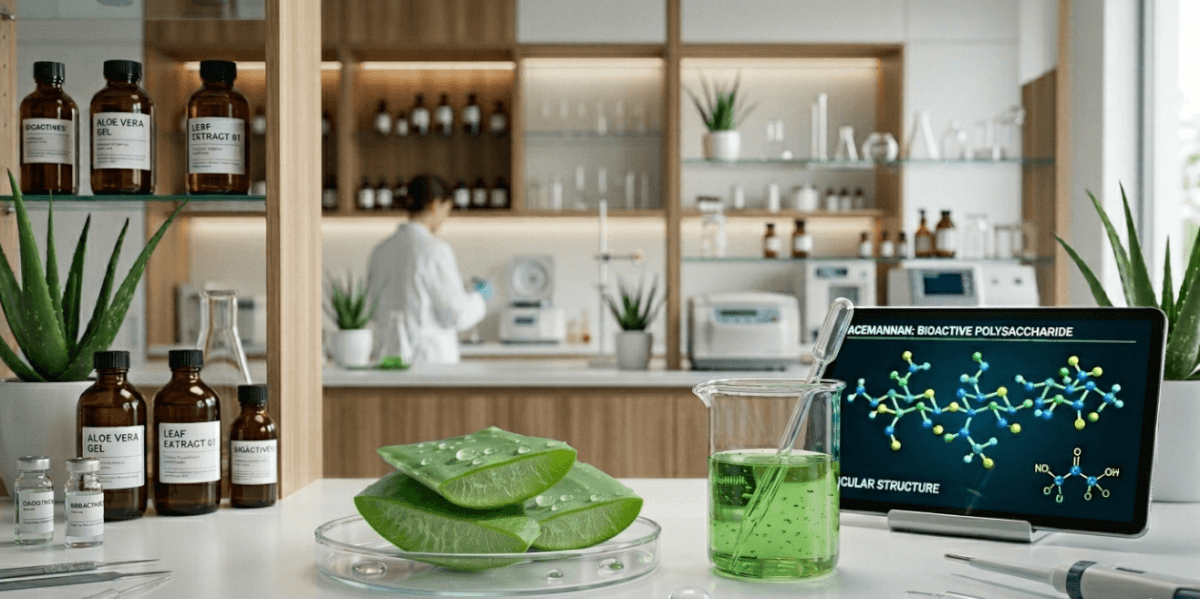
The Botanical Essence and Chemical Architecture of Aloe Barbadensis Miller
The plant species Aloe barbadensis Miller, commonly recognized globally as Aloe vera, serves as a cornerstone of both traditional ethnobotany and modern pharmacognosy. This perennial, xerophytic succulent is uniquely adapted to survive in some of the world’s most arid and inhospitable climates, characterized by its turgid, lanceolate leaves that act as sophisticated biological reservoirs. Originating primarily in the hot, dry regions of North Africa, the Middle East, and the Southern Mediterranean, the plant is now cultivated extensively in subtropical regions across the globe. The name itself is a linguistic reflection of its properties, derived from the Arabic word “Alloeh,” meaning “shining bitter substance,” and the Latin “vera,” signifying “true”.
Anatomically, the aloe leaf is a complex organ comprised of several distinct layers, each with a unique chemical profile and physiological purpose. The outermost layer is a thick, green rind or epidermis, which provides structural integrity. Just beneath this epidermis lies the vascular layer containing the bitter yellow latex, rich in anthraquinone compounds. The center of the leaf is filled with a clear, mucilaginous parenchyma, popularly known as the gel, which houses the majority of the plant’s nutrient density, including its legendary polysaccharides.
Chemical analysis reveals that Aloe vera is composed of approximately 99.0% to 99.5% water, with the remaining 0.5% to 1.0% solid material containing a staggering array of over 200 potentially active compounds. This microscopic solid fraction includes vitamins, minerals, enzymes, amino acids, and complex sugars that work in a synergistic “entourage effect” to provide its wide-ranging therapeutic benefits.
| Chemical Category | Specific Constituents | Biological Function and Utility |
| Polysaccharides | Acemannan, Glucomannans, Rhamnogalacturonan |
Immunomodulation, wound healing, and cellular signaling |
| Anthraquinones | Aloin, Aloe-emodin, Emodin, Barbaloin |
Laxative effects, pro-apoptotic activity in oncology, and antiviral potential |
| Enzymes | Bradykinase, Amylase, Lipase, Catalase, Peroxidase |
Inflammation reduction, nutrient breakdown, and antioxidant defense |
| Vitamins | Vitamins A, C, E, B12, Folic Acid, Choline |
Free radical neutralization and support for metabolic pathways |
| Minerals | Zinc, Selenium, Magnesium, Calcium, Copper |
Enzyme system co-factors and astringent properties |
| Phenolic Compounds | Salicylic acid, Lignin, Saponins |
Antimicrobial, analgesic, and tissue penetration enhancement |
Historical Evolution: A 6,000-Year Legacy of Human Application
The historical trajectory of Aloe vera usage is as diverse as it is ancient, with documented applications appearing in the records of nearly every major civilization for over six millennia. The earliest recorded human interaction with the plant is found in Sumerian hieroglyphics on clay tablets from the Mesopotamian civilization circa 2200 BC, where it was primarily utilized for its cathartic properties as a medicinal purge.
In Ancient Egypt, Aloe vera achieved a status of near-regal veneration. It was famously termed the “Plant of Immortality,” valued by queens such as Cleopatra and Nefertiti for its role in maintaining physical beauty and skin health. Beyond the cosmetic, the Egyptians integrated the plant into their sophisticated embalming rituals to halt physical decomposition, reflecting a belief that the plant could facilitate eternal life.
The Greek and Roman civilizations further advanced the medicinal understanding of the plant. Greek scientists in the first century AD regarded Aloe vera as a “universal panacea,” a sentiment echoed by the physician Pedanius Dioscorides. Historical accounts also highlight that Alexander the Great, upon the recommendation of Aristotle, led a military campaign to the island of Socotra for the sole purpose of securing a consistent supply of aloe leaves to treat his soldiers’ battlefield wounds. For more in-depth explorations of how ancient botanical wisdom intersects with modern medicine, you can explore our latest health news updates.
The Mechanism of Autophagy: Cellular Recycling and Rejuvenation
One of the most profound areas of current scientific research regarding Aloe vera concerns its ability to modulate autophagy. Autophagy—literally “self-eating”—is a highly regulated cellular housekeeping process that identifies and degrades damaged organelles, misfolded proteins, and intracellular pathogens.
AMPK-Mediated Mitophagy
Recent molecular biology studies have identified specific aloe-derived compounds as potent modulators of mitophagy, the specialized autophagic degradation of dysfunctional mitochondria . In research focused on human hepatocellular carcinoma cells (Hep3B), the anthraquinone aloe-emodin was found to significantly trigger autophagy by activating the Adenosine Monophosphate-activated Protein Kinase (AMPK) pathway . AMPK serves as the cell’s “master metabolic switch,” sensing energy deficits and initiating catabolic processes to restore cellular balance .
Acemannan and the Protection of Retinal Autophagy
While some components of aloe trigger autophagy to eliminate damaged cells, the polysaccharide acemannan has been shown to restore and protect autophagic function in healthy tissues under environmental stress. Specifically, acemannan-enriched fractions (designated as ACJ2) have demonstrated the ability to protect retinal pigment epithelial (RPE) cells from Ultraviolet A (UVA)-induced damage . ACJ2 restores balance by lowering mitochondrial reactive oxygen species (ROS) levels and stabilizing autophagic flux, preventing “autophagic cell death”.
| Autophagy Component | Role in Aloe Vera Interaction | Biological Implication |
| AMPK Pathway | Activated by Aloe-emodin | Triggers mitochondrial cleansing and energy restoration |
| mTOR Pathway | Suppressed by Anthraquinones |
Removes the molecular “brakes” on autophagy initiation |
| LC3-II / p62 | Translocation and Regulation | Visual markers of cellular recycling activity and efficiency |
| PINK1 / Parkin | Increased expression in Mitochondria | Orchestrates the selective removal of aged or damaged mitochondria |
Systemic Health Benefits: A Multi-Organ Pharmacological Analysis
Beyond the microscopic level of cellular recycling, Aloe vera exerts a broad spectrum of influence on human physiology.
Dermatological Efficacy and Wound Healing
The plant biochemical stimulation of fibroblasts produces collagen and elastin fibers. Aloe increases the overall collagen content of the wound and favors Type III collagen, which is more effective for rapid contraction and stronger scar tissue formation. Furthermore, the presence of bradykinase in the gel helps to reduce excessive inflammation.
Gastrointestinal Health and Microbiome Modulation
Aloe’s role in the digestive system is multifaceted. Traditionally used as a laxative, it is now increasingly focused on as a prebiotic and mucosal protector. Aloe vera syrup has been clinically evaluated for the treatment of Gastroesophageal Reflux Disease (GERD), showing efficacy comparable to conventional drugs like ranitidine with a lower profile of side effects. Moreover, the fermentation of aloe’s acemannan in the large intestine produces short-chain fatty acids (SCFAs) like butyrate, vital for maintaining the gut barrier.
Metabolic and Endocrine Support
Clinical research has demonstrated that oral administration of Aloe vera gel can significantly improve blood sugar and HbA1c levels in individuals with Type 2 diabetes and prediabetes. The plant appears to improve insulin sensitivity, helping cells respond more effectively to glucose in the bloodstream. You can find various metabolic support and natural wellness products in our online shop.
Clinical Contraindications, Toxicology, and Safety Protocols
Despite its therapeutic potential, Aloe vera must be used with a clear understanding of its toxicological profile, particularly regarding the leaf’s yellow latex.
The Dangers of Aloe Latex and Aloin
The U.S. FDA issued a ruling in 2002 requiring the removal of aloe latex from over-the-counter laxative products due to safety concerns. Consumption of aloe latex or non-decolorized whole leaf extract is associated with several adverse effects:
-
Gastrointestinal Distress: Severe abdominal pain and diarrhea .
-
Electrolyte Depletion: Chronic use can lead to hypokalemia, increasing the risk of toxicity from heart medications like Digoxin.
-
Renal Failure: High doses of aloe latex (as little as 1 gram daily) can be fatal.
-
Carcinogenicity: The IARC has classified non-decolorized whole leaf aloe vera extract as a Group 2B possible human carcinogen .
| Side Effect / Contraindication | Underlying Cause | Risk Level / Group |
| Severe Abdominal Cramps | Aloin-induced GI irritation | High (Whole leaf/Latex users) |
| Miscarriage Risk | Uterine stimulation by anthraquinones |
Absolute Contraindication (Pregnancy) |
| Kidney Failure | Nephrotoxic effects of high-dose latex | High (Chronic/High dose users) |
| Herb-Drug Interaction | Altered Liver metabolism (CYP1A2) |
Medium (Polypharmacy patients) |
Selecting Quality Supplements: A Buyer’s Guide to Autophagy Support
For consumers seeking to harness the benefits of aloe-induced autophagy while avoiding the risks of aloin toxicity, discerning product selection is paramount. When choosing supplements to support your cellular health, we recommend browsing our curated wellness shop for professional-grade formulations.
Critical Quality Markers
-
Cold-Processing: High temperatures used during heat pasteurization can break down bioactive compounds. Cold-processing is the gold standard for preserving acemannan.
-
Inner Leaf Gel vs. Whole Leaf: For internal consumption, products derived exclusively from the inner leaf gel are preferred. Whole leaf products contain the bitter latex and often undergo aggressive filtration that can strip away beneficial nutrients.
-
Aloin Content: The International Aloe Science Council (IASC) recommends that oral aloe products contain less than 10 parts per million (ppm) of aloin for safety .
Synthesis and Future Outlook
The pharmacological landscape of Aloe vera has evolved from ancient mythology to a sophisticated area of cellular research. Its role in autophagy—facilitated by the targeted mitochondrial cleansing of aloe-emodin and the cytoprotective stabilization of acemannan—marks it as a uniquely potent botanical for the modern age of longevity-focused wellness. For continued education on botanical breakthroughs and functional nutrition, be sure to visit our health news center.